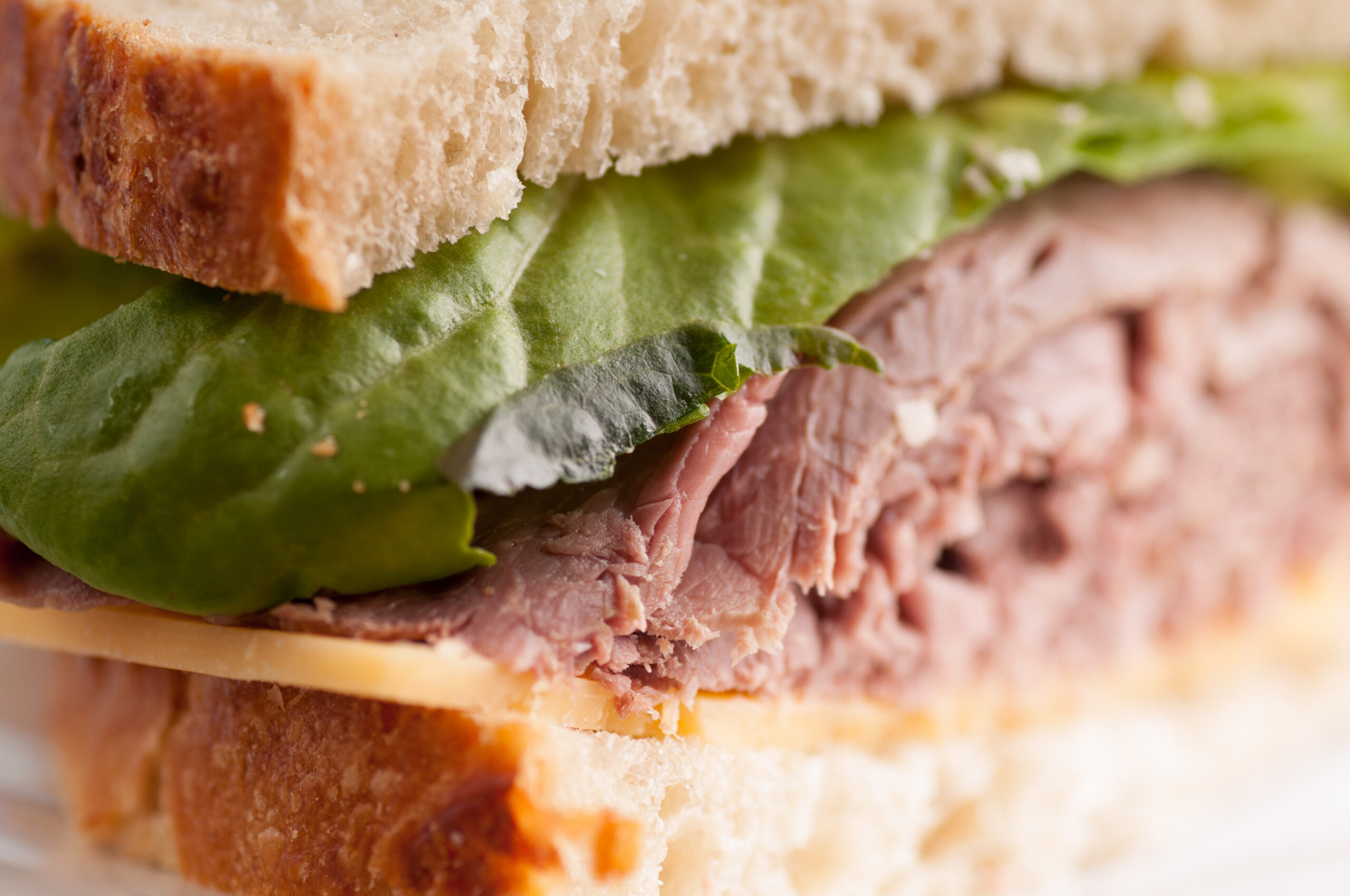
Food Distribution Insurance on Long Island

Insurance for Independent Food Distributors on Long Island (Bread & Deli Routes)

This article is part of our ongoing Long Island Business Insurance Spotlight series, tailored to helping Long Island business owners make informed decisions about their business insurance needs.
Independent food distribution routes — including bread routes, deli meat distribution, snack routes, and beverage delivery — are a major part of Long Island’s local economy.

Whether you own a single route or manage multiple trucks servicing supermarkets, delis, and convenience stores, your risk profile is very different from a standard retail business.

Here’s what independent distributors need to consider.

Commercial Auto Insurance (The Core Coverage)For route owners, commercial auto is the backbone of your policy.

It may cover:

  1. Liability if you cause an accident
  2. Physical damage to your delivery truck
  3. Medical paymentsUninsured/underinsured motorist protection

Since you’re driving daily — often on tight schedules — adequate limits are critical.

Cargo Insurance (Often Overlooked)

If your truck is involved in an accident or your refrigeration fails, your inventory could be damaged or lost.
Cargo coverage can help protect:

  1. Bread products
  2. Deli meats
  3. Packaged foods
  4. Refrigerated goods

Without cargo coverage, you may be responsible for replacing the product out of pocket.

General Liability Insurance

Even though you’re mobile, you still have liability exposure.This may help protect you if:

  • You damage store property during deliveries
  • Someone is injured due to your operations at a store
  • A claim arises related to yur distribution activities

Many wholesalers require proof of liability insurance before assigning or renewing routes.

Product Liability

If a product you distribute is alleged to cause illness, spoilage, or contamination issues, product liability coverage can help protect your business.
Even if you didn’t manufacture the product, distributors can still be named in lawsuits.

Workers’ Compensation (If You Have Helpers or Drivers)

If you hire drivers or helpers, New York generally requires workers’ comp.
Common route-related injuries include:

  • Lifting and loading injuries
  • Slip-and-fall accidents
  • Vehicle-related injuries
  • Strains from repetitive deliveries

Spoilage Coverage

For refrigerated routes (such as deli meats or dairy), spoilage coverage can help protect against losses due to:

  • Refrigeration breakdown
  • Power interruption
  • Mechanical failure

This can be especially important during Long Island summer heat.

Umbrella Liability Policy

Given the driving exposure, many route owners choose to add an umbrella policy to increase liability limits above their auto and general liability policies.
A serious auto accident can easily exceed minimum limits.

Final Thoughts: Distribution Businesses Are Transportation Businesses

Independent bread and deli routes operate at the intersection of transportation and food service. Your insurance should reflect both.

At The Camille Bunicci Agency, we help Long Island route owners structure policies that protect their trucks, their cargo, and their contracts — without overcomplicating the coverage.
If you’d like to review your current limits or get a quote tailored to your route, contact us today.

Beyond the Chair – Long Island Hair Salon Insurance Solutions

This post is part of our ongoing series tailored to informing Long Island business owners about their specific insurance needs. In Part 2, we take a look at Hair Salon Insurance.

Whether you’re running a boutique studio in Patchogue or a high-end salon in Garden City, your business is built on talent, chemicals, and close physical contact. In the beauty industry, your reputation is everything, but accidents can happen in the blink of an eye.

For Long Island salon owners, insurance isn’t just a requirement; it’s your safety net. Here are the must-haves:

  • Professional Liability (Malpractice): This is the most vital coverage for stylists. If a client claims a chemical peel caused a burn or a hair treatment resulted in significant damage, your General Liability won’t cover it—but Professional Liability will.
  • Workers’ Compensation: New York State is strict. If you have employees (and even some booth renters, depending on the contract), you are required to have Workers’ Comp to cover medical bills and lost wages if a stylist develops carpal tunnel or slips in the wash station.
  • Property Insurance & Improvements: Did you spend a fortune on custom lighting, high-end chairs, and Italian stations? If there’s a fire or pipe burst, you need coverage that accounts for the “build-out” of your space, not just the building shell.
  • Cyber Liability: Do you keep client credit cards on file or use a digital booking system? Small businesses are prime targets for data breaches. This protects you if your client’s private information is compromised.

Essential Hair Salon Insurance Tip: Don’t forget Business Interruption Insurance coverage. if a fire, an act of vandalism or a burst pipe forces your salon to close for a week or more, business interruption insurance is a must-have that can help replace your lost revenue so you can still pay your stylists and maintain continuity during downtime.

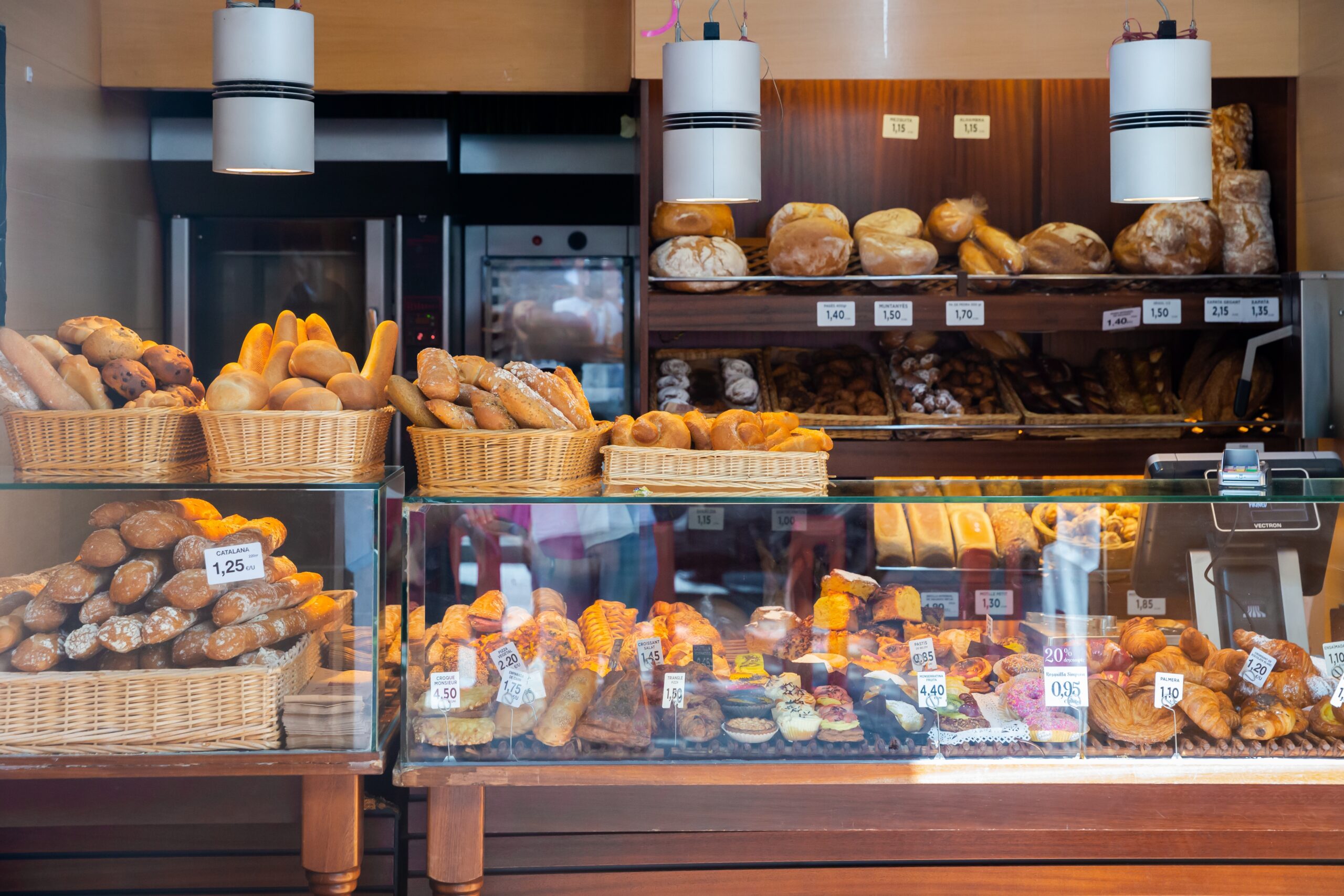
The Baker’s Dozen of Protection – Essential Insurance for Long Island Bakeries

This post is part of our ongoing series tailored to informing Long Island business owners about their specific insurance needs. In Part 1, we take a look at Bakery Insurance

From the early morning rush in Huntington to the custom cake deliveries in the Hamptons, Long Island bakeries are the heart of our local celebrations. But when you’re dealing with high-heat ovens, heavy machinery, and perishable inventory, the risks are as varied as your pastry selection.

At The Camille Bunicci Agency, we know that a standard “one-size-fits-all” policy doesn’t cut it for a specialized kitchen. Here is what your bakery actually needs:

  • General Liability: This is your foundation. It protects you if a customer slips on a stray flour patch or spilled coffee in your storefront.
  • Product Liability: This is critical for food service. If a customer has an allergic reaction or claims foodborne illness from your products, this coverage protects your business from the resulting legal and medical costs.
  • Equipment Breakdown Insurance: Your industrial ovens, mixers, and walk-in freezers are the lifeblood of your shop. If a power surge fries a motor or a compressor fails, this helps cover the repair costs.
  • Spoilage Coverage: If your refrigeration fails overnight and you lose thousands of dollars in butter, cream, and finished cakes, spoilage coverage ensures you aren’t eating that cost alone.
  • Business Income/Extra Expense: These key coverages will reimburse the extra expenses and/or lost income that you may experience as you recover from a covered claim.

Essential Bakery Insurance Tip:

If you deliver your treats or use a van for catering pop-ups at the local farmer’s markets, a personal auto policy won’t cover you. Ask us about Commercial Auto Insurance to keep your deliveries moving safely.