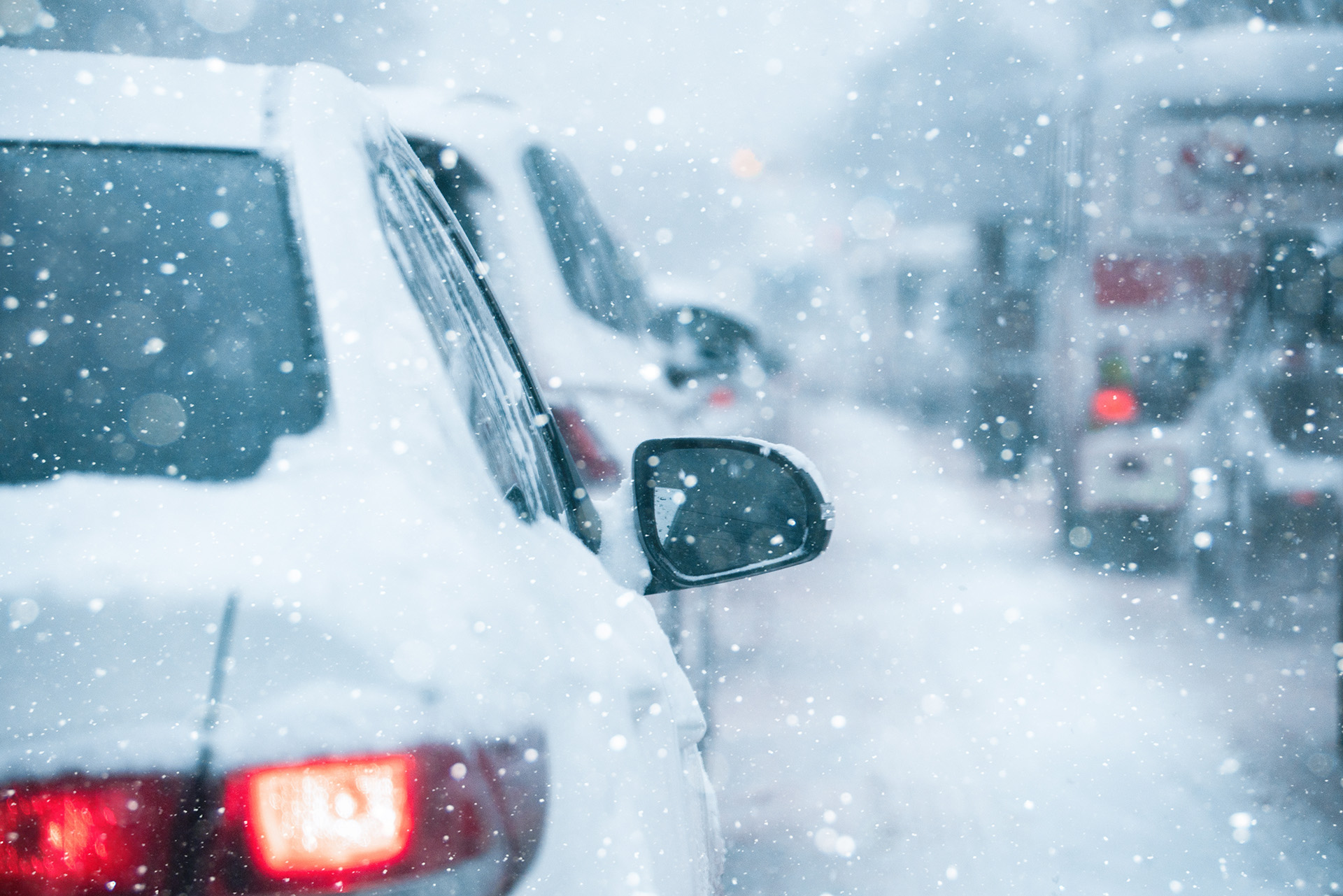
A timely reminder for Long Island homeowners and business owners as we prepare for this weekend’s winter storm.
Long Island winters can be beautiful—but they can also be brutal on homes and commercial buildings. With a major winter storm expected this weekend, now is the perfect time to take a few proactive steps to prevent common cold weather property claims. Many winter-related insurance claims are preventable with basic preparation. A little work today can save you major stress (and expense) later.
Below are practical, storm-ready tips to help protect your property, reduce the likelihood of damage, and keep your family or business safe.
1. Prevent Frozen Pipes (The #1 Winter Claim Trigger)
Frozen pipes are one of the most common and expensive cold weather insurance claims. When water freezes, it expands—causing pipes to crack or burst and flood your home or business.
What to do now:
- Turn your heat on and keep it consistent (even if you’re away)
- Open cabinet doors under sinks to allow warm air to circulate
- Let faucets drip slightly during the coldest hours
- Insulate exposed pipes in basements, crawl spaces, garages, and exterior walls
- Disconnect garden hoses and shut off exterior spigots if you haven’t already
If you’re traveling this weekend:
- Set the thermostat to at least 55°F, and consider asking someone to check your home daily.
2) Know Where Your Main Water Shut-Off Valve Is
If a pipe bursts, stopping the flow of water quickly can be the difference between minor damage and a major claim.
Quick checklist:
- Locate your main shut-off valve now
- Make sure it turns easily (no rust lock)
- Everyone in the household should know where it is
- For businesses: ensure a manager or keyholder can access shut-off locations after hours.
3) Reduce Ice Dam Risk on Your Roof
Ice dams happen when snow melts due to heat escaping through your roof, then refreezes at the eaves. This creates a barrier that traps melting water, pushing it under shingles and into your home.
Ice Dam Prevention Tips:
- Clear gutters and downspouts so water drains properly
- Make sure attic insulation and ventilation are adequate
- Use a roof rake to remove heavy snow (from the ground, safely)
If you see large icicles forming along your roofline, it can be a warning sign that ice dams are forming.
4) Protect Against Snow Load and Structural Damage
Wet snow can be surprisingly heavy—especially on flat roofs, awnings, and commercial structures.
What to check:
- Flat roofs on businesses, extensions, porches, and sheds
- Carports and awnings
- Fencing and older outdoor structures
If accumulation becomes significant, a professional snow removal service may be needed—especially for commercial buildings.
5) Prevent Slips, Falls, and Liability Issues
For homeowners, icy walkways are dangerous for family and guests. For business owners, this risk is even higher because it can become a liability exposure.
Smart storm prep:
- Stock up on ice melt / rock salt
- Keep shovels accessible (not buried in the shed!)
- Have mats at entryways to reduce interior slip risk
- For businesses, consider scheduling snow/ice removal ahead of time
Documenting your snow removal service and timing can also be helpful in the event of a claim.
6) Prepare for Power Outages
Storms often bring wind and ice that can impact power lines. When the power goes out, risks increase—from frozen pipes to spoiled inventory.
Plan ahead:
- Charge phones and backup batteries
- Have flashlights ready (avoid candles if possible)
- If you have a generator, test it now and store fuel safely
- Keep your fridge and freezer closed as much as possible
For businesses: review emergency protocols, backup power readiness, and alarm/monitoring systems.
7) Document Your Property Before the Storm
One of the simplest things you can do—yet most people don’t—is quick documentation.
Do this today – take photos/videos of:
- Roofline and exterior
- Basement / utility room
- High-value items
- Inventory (for businesses)
This makes the claim process smoother and helps establish pre-storm condition.
If Damage Happens: What to Do First
- If your property is damaged during the storm:
- Protect people first (safety comes before cleanup)
- Take photos before moving items
- Mitigate further damage (tarps, shutting off water, etc.)
- Save receipts for emergency repairs
- Contact your insurance agency as soon as possible
Need Help Reviewing Your Coverage Before the Storm?
Winter storms are unpredictable—and Long Island properties face unique risks from wind, coastal exposure, heavy snow, and freezing temperatures.
If you’d like to review your homeowners insurance, landlord policy, or business property coverage (or make sure you have the right deductibles and protections in place), contact The Camille Bunicci Agency. We’ll help ensure you’re protected before the storm hits.
Stay safe this weekend, Long Island!